FTC Cracks Down on "Influencer Marketing": Paid Celebrity Posts That Aren’t Clear Ads (7)
FTC Cracks Down on "Influencer Marketing": Paid Celebrity Posts That Aren’t Clear Ads
FTC to Crack Down on Paid Celebrity Posts That Aren’t Clear Ads
The agency says brands and the social media stars who promote their products need to be more transparent about sponsored content
from http://www.bloomberg.com/news/articl...en-t-clear-ads
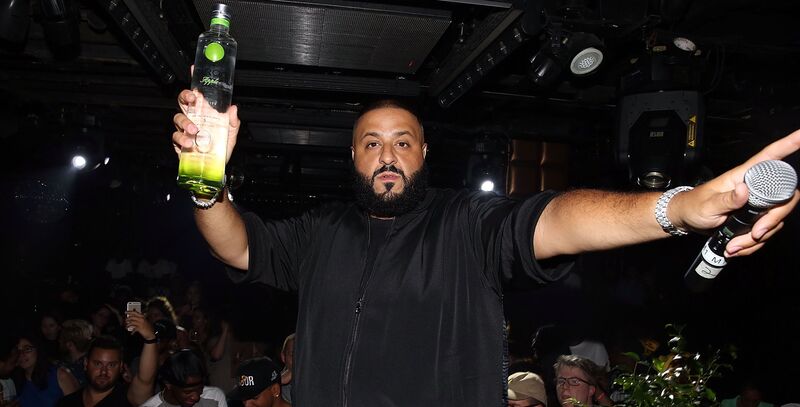
"Snapchat star DJ Khaled raves about Ciroc vodka. Fashion lifestyle blogger Cara Loren Van Brocklin posts a selfie with PCA Skin sunscreen. Internet personality iJustine posts Instagrams from an Intel event. Missing from their messages: any indication about whether they’ve been paid.
This uptick in celebrities peddling brand messages on their personal accounts, light on explicit disclosure, has not gone unnoticed by the U.S. government. The Federal Trade Commission is planning to get tougher: Users need to be clear when they're getting paid to promote something, and hashtags like #ad, #sp, #sponsored --common forms of identification-- are not always enough. The agency will be putting the onus on the advertisers to make sure they comply, according to Michael Ostheimer, a deputy in the FTC’s Ad Practices Division. It's a move that could make the posts seem less authentic, reducing their impact.
“We’ve been interested in deceptive endorsements for decades and this is a new way in which they are appearing,” he said. “We believe consumers put stock in endorsements and we want to make sure they are not being deceived.”
This means more cases like the one against Warner Bros. Home Entertainment Inc., which last month settled with the FTC over charges that it deceived customers by paying internet influencers such as PewDiePie – who has about 50 million followers on YouTube -- to promote the video game Middle-Earth: Shadow of Mordor with positive reviews, without disclosing that they were paid and told how to promote it. In March, the FTC issued a complaint against Lord & Taylor for paying fashion influencers to create posts about one of its dresses on Instagram, without disclosing that the retailer paid them and gave them the dresses for free. Any compensation, including free products, should be disclosed, the FTC says.
Companies have been pouring marketing dollars into social media endorsements, paying everyone from a Hollywood celebrity to a mom who regularly Instagrams her baby snuggling with a puppy. Reaching consumers, especially 20-somethings, is increasingly difficult because of television’s waning marketing power. Social media is where those dollars are headed with brands already spending more than $255 million on influencer marketing every month just on Instagram, according to Captiv8, a company that connects influencers with brands ...
A lot of influencers think they are following the rules, but in fact are falling short. More than 300,000 sponsored posts on Instagram in July used hashtags like #ad, #sponsored and #sp, up from about 120,000 a year earlier, according to Captiv8. The FTC thinks #ad is okay if it's at the beginning of a post, but #sp and #spon aren't.
“If consumers don’t read the words, then there is no effective disclosure,” Ostheimer said. “If you have seven other hashtags at the end of a tweet and it’s mixed up with all these other things, it’s easy for consumers to skip over that. The real test is, did consumers read it and comprehend it?”
Hashtags like #sp and #spon may not be fully understood, especially if they’re buried at the bottom of a post, he said. And any disclosure would be better at the beginning. When it comes to video, the FTC calls for disclosure to be said out loud or displayed on screen. It can get even more complicated on Snapchat, where there's not an obvious place to put a hashtag, and the videos are only a few seconds.
Nick Cicero, the CEO of influencer marketing agency Delmondo, said the FTC has already changed some practices in the industry by bringing recent lawsuits. “For a lot of years it was really really loose, and you could get away with a lot more,” he said. Now he’s telling all of his clients to use the hashtag #ad.
The FTC has been getting the word out with online webinars and guides, speeches and engaging trade associations. “We’re not calling up each individual ad agency,” Ostheimer said. It will also continue to go after the advertisers with legal action. While it hasn’t charged an influencer for deceptive advertising, it hasn’t ruled that out.
“We hope by bringing these cases that we not only stop the marketer and influencer who didn’t have adequate disclosures previously, but also get the message out that other companies should have clear and conspicuous disclosures,” he said.
excerpted from http://www.bloomberg.com/news/articl...en-t-clear-ads
Awesomeness, low CTRs coming soon.
FTC are getting ridiculous, maybe not hitting their quarterly targets?
Regarding this part, "This means more cases like the one against Warner Bros. Home Entertainment Inc., which last month settled with the FTC over charges that it deceived customers by paying internet influencers such as PewDiePie – who has about 50 million followers on YouTube -- to promote the video game Middle-Earth: Shadow of Mordor with positive reviews, without disclosing that they were paid and told how to promote it. "
The guy actually had disclosed the fact in the video description "This video was sponsored by Warner Brother." It's still there today.
I think that's just easy money for them... you can't really go to court so you'll settle... and you'll lose
Wow. A new level of annoying for the FTC
FTC seems to be turning into nothing more than a harassing entity. It's about time they put some trust into people instead of assuming everyone is a dumb idiot who doesn't understand what advertising is about and that celebs are paid to promote brands.
FTC is starting to get really desperate for attention, they're literally doing everything they can to stop big business.
Home > General > Affiliate Marketing Forum