Een goed artikel over interculturele communicatie (8)
Nederlanders zijn te lomp en te direct. Hoe ben jij op zakenreis?
http://www.nrcq.nl/2015/02/02/rare-j...die-hollanders
Op de planeet is nauwelijks een vreemder volk te vinden dan de Nederlanders, blijkt uit de schema’s van hoogleraar Erin Meyer van de Franse Insead business school. We zijn lomp, veel te direct en we hebben een serieus autoriteitsprobleem.
Dat wordt in het buitenland slecht gewaardeerd, blijkt uit Meyers boek The Culture Map (2014). Daarin beschrijft de Amerikaanse organisatiepsycholoog cultuurverschillen onder internationale zakenmensen. Nederlanders staan vaker dan andere volken aan de uiterste zijkant van haar schema’s, wat betekent dat men in het buitenland veel moeite heeft onze omgangsvormen en gewoontes te begrijpen. Zakelijke misverstanden komen daardoor vaker voor.
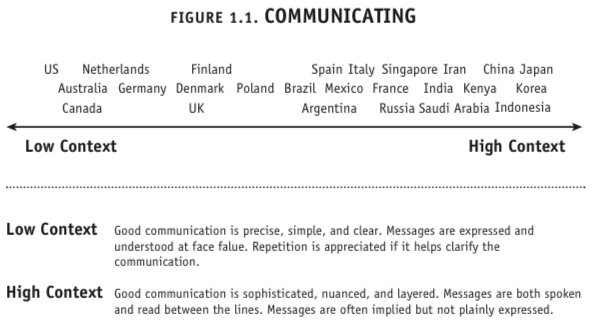
Communicatie
Nederlanders communiceren nogal expliciet. Alleen om Amerikanen, Australiërs en Canadezen te begrijpen, heb je minder context nodig.
Evalueren
Nederlanders zijn absoluut niet bang om negatieve feedback te geven.
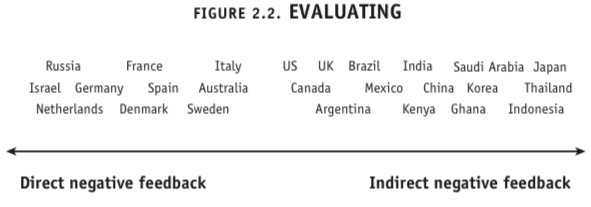
Een Koreaanse manager vertelt Meyer:
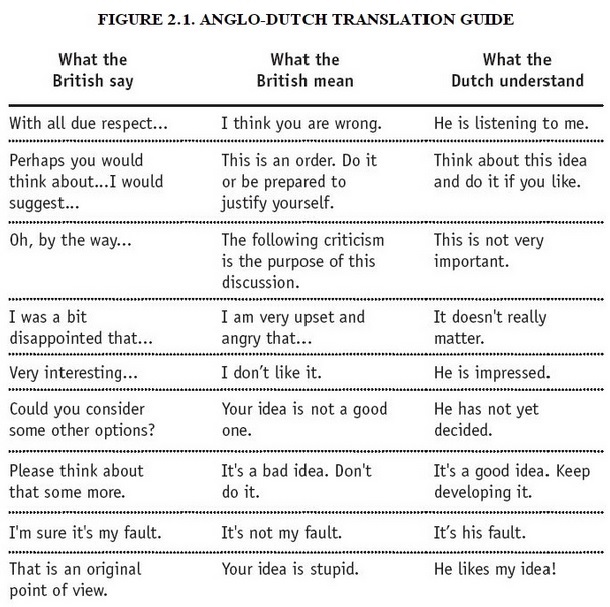
Ook Britten zijn van huis uit terughoudend met het geven van commentaar. Waardoor misverstanden ontstaan met Nederlanders. Omdat de Britten hun kritiek verhullen, komt die zelden aan. Meyer citeert:
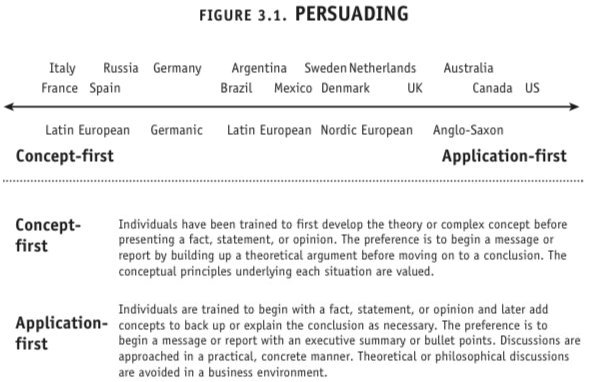
Overtuigen
De enige categorie waarin Nederlanders heel gemiddeld scoren. In tegenstelling tot de Fransen. Een van de meest voorkomende frustraties onder Franse werknemers met Amerikaanse bazen: dat de Amerikaan hun vertelt dat ze iets moeten doen zonder uit te leggen waarom. Meyer noemt het een cultuurverschil tussen ‘principle-first-learners’, die het waarom achter een beslissing willen begrijpen, en ‘applications-first learners’, die meer gericht zijn op het hoe.
Knopen doorhakken
Hoe komen beslissingen tot stand, en wie neemt ze? Het egalitaire Nederland hoort bij de landen waar bedrijven het meest op overeenstemming gericht zijn. Dat kan nogal vaak tot misverstanden leiden bij managers die gewend zijn zonder overleg bevelen uit te vaardigen.
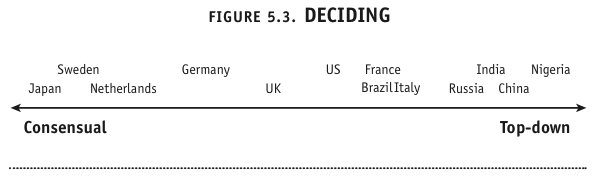
Besluitvorming binnen bedrijven is in elk land anders georganiseerd, blijkt uit deze fascinerende schema’s:
Vertrouwen
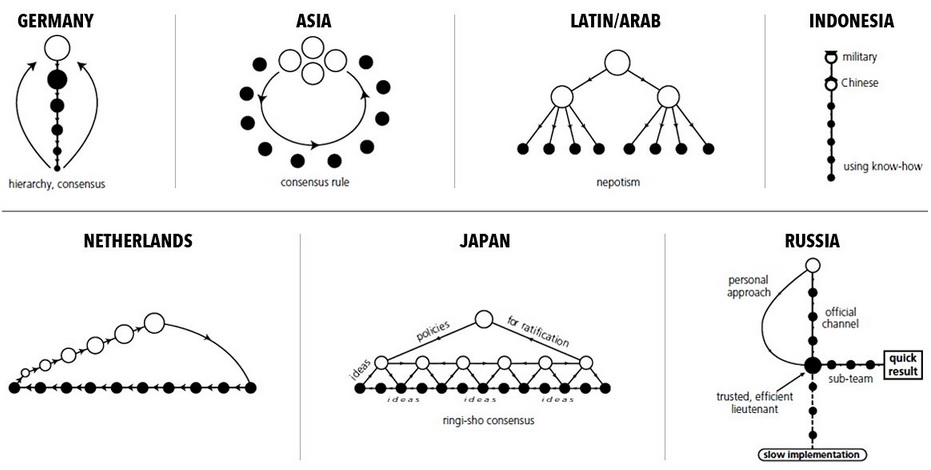
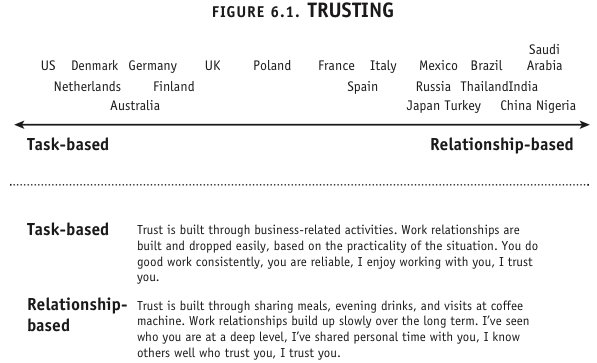
Eindeloos dineren en lunchen met zakenpartners? Nederlanders sluiten liefst zo snel mogelijk een deal zodat ze op tijd thuis zijn. Maar dan komen ze wel nogal lomp over bij hun Chinese, Russische of Saoedische zakenpartners. De botte Hollanders begrijpen niet, zegt Meyer, dat in landen waar het juridische systeem minder zekerheid biedt, vertrouwen pas ontstaat als er op een persoonlijke niveau contact is gemaakt. Daarom drinken Chinezen en Russen graag met hun zakenpartners. Zij redeneren: “Nu ik jou dronken heb gezien, heb ik je echt leren kennen en kan ik je vertrouwen.”
Onenigheid
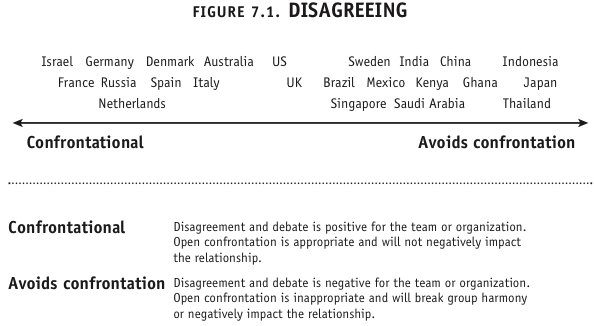
Weleens proberen te sparren met je Aziatische collega’s? All gloves are off? Dat lukt dus niet. Het openlijk oneens zijn, vooral met een hogergeplaatste of oudere collega, wordt in veel culturen ervaren als oneerbiedig en beledigend.
Planning
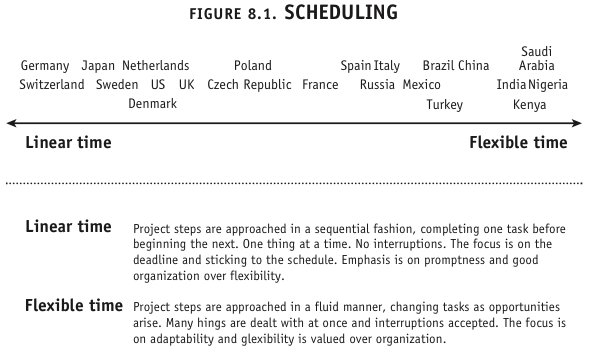
Veel culturen hechten niet zoveel waarde aan op tijd komen als wij. Vooral in opkomende economieën - die op alle fronten aan snelle verandering onderhevig zijn - ben je succesvol als je met constante verandering om kan gaan, redeneert Meyer. Flexibiliteit wordt in die culturen meer gewaardeerd dan punctualiteit. Dus de volgende keer dat er een Nigeriaanse zakenafvaardiging te laat komt aankakken op een vergadering, kun je dat zien als een góed teken.
I have serious problems with beating around the bush, not getting to the point, sloppiness and have shit loads of authority.
I just finished a course on cross cultural management in my university (in Amsterdam, for those that want to know) and I recognise a lot of points made in the article. The course was really useful and made me realise even more that the cultural differences around the world are so huge. I think that as an affiliate marketer you would be wise to study this topic if you're interested in launching international campaigns. After all, affiliate marketing is about psychology and people, so understanding them and differences between different groups of people is surely going to help you communicate better across cultural barriers.
Book recommendation on this topic: Expand Your Borders: Discover 10 Cultural Clusters. by David Livermore
Thanks for bringing it up! I hadn't made the explicit connection between AM and my course yet before I read your post.
A good addon would be how you can apply those cultural differences in AM. I did my thesis about "What are the cultural differences between US and NL and how can you apply those to your website". I think this is still a thing thats really untouched/not that much written about it at this moment.
I did study Geert Hofstede & Edward T Hall, both really good ones to read if you're intrested in cultural differences. If you want to know more about cultural differences and the internet read Hermeking & Marcus & Gould
Really really interesting article!
Haha I'm not surprised that Israel is the front runner here.
 Originally Posted by mikeyboy

The outcomes where: It can look almost the same but just translating the whole website is not enough.
In dutch: "De belangrijkste conclusie uit dit onderzoek is dat voor de twee culturen geen volledig nieuwe website ontworpen hoeft te worden, maar dat enkel vertalen niet voldoende is."
Dutchies Wide range of options and expressions must radiate credibility
That means, if you show a holiday or something like that they want to know what kind of options they can choose. Ex: Including breakfast, incl. road trips etc. About the expressions, make the experiences / quotes of other people really credibility. Don't put stock photo's over there.
USA The expressions must radiate authority.
Ex: #1 of the USA, beside that they love cultural aspects like the colors of the USA flag.
The most important thing what dutchies are looking for when they want to book a holiday is the price. For the USA's is it the wide range of holidays / options
Excellent article.
When I came to live and work in The Netherlands I could not believe the type of conversations that were going on in the office.
On multiple occasions I was 100% sure some guys were going to hit each other in the face.
But they never did and after a while I learned it was just their extremely direct style of communication which focussed on totally destroying the other person's dignity by means of personal insults.
These were seasoned managers and not some teenagers in a suit.
Another thing that took me a long time to get used to was the insane amount of meetings that had to take place.
I often had days were I did not accomplish anything at all just because I was forced to sit in meetings all day long to do ... ???
Home > Localised Discussions > STM in het Nederlands